Peptide education
Articles for patients researching peptide clinics
Explore clear, patient-friendly introductions to common peptides, clinic conversations, and what to ask before booking.
Looking for an Ozempic Substitute? Why Tesofensine Is a Very Different Option
Looking for an Ozempic alternative does not always mean you need a weaker version of the same drug. Sometimes the real issue is medical eligibility, side effects, insurance coverage or appetite control. Tesofensine takes a completely different approach, acting on brain signaling rather than GLP-1 receptors. Here is what the human research actually shows, where the risks differ and why "substitute" may be the wrong question.
Read article →
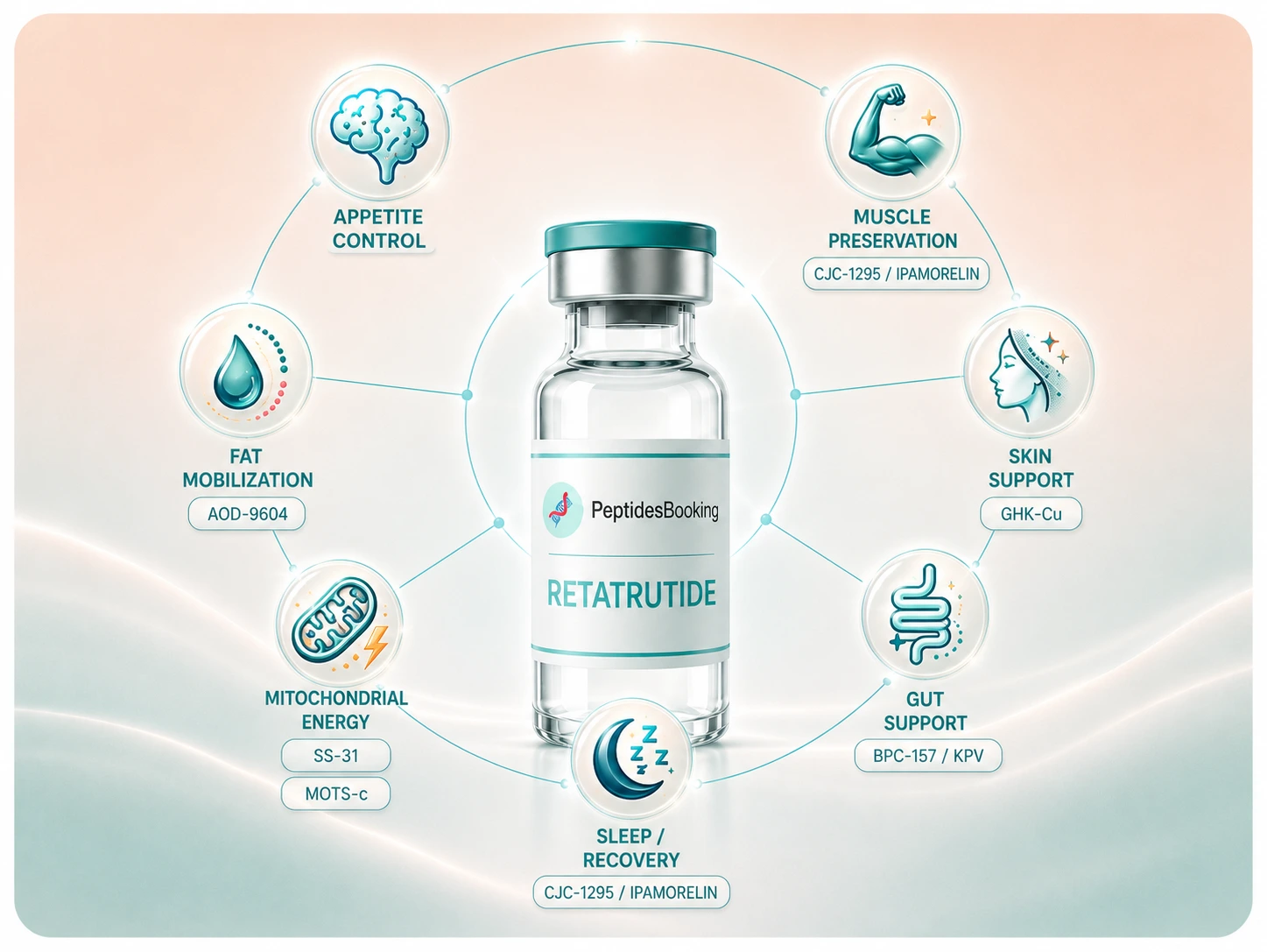
Doctor Explains the BEST Peptides to Stack with Retatrutide
Retatrutide is already a powerful metabolic drug, so adding more peptides does not automatically create a better result. The smarter question is what problem remains unsolved. From muscle preservation and mitochondrial support to appetite, skin, gut health and recovery, here is how to think about peptide combinations without turning treatment into an unnecessary stack.
Read article →
Retatrutide Beyond Weight Loss: Joint Pain, Sleep Apnea and the Side Effects People Miss
Retatrutide is attracting attention for far more than weight loss. New data and broader GLP-1 research raise questions about joint pain, sleep apnea, inflammation, body composition and unusual nerve sensations such as dysesthesia. Here is what appears promising, what remains uncertain and what patients should actually discuss with a clinic.
Read article →

SS-31 and Anti-Aging: Why This Mitochondrial Peptide May Not Be an Upgrade for Everyone
SS-31, also known as elamipretide, is unusual in the peptide world because an FDA-approved drug now contains the molecule. But that approval is for a rare mitochondrial disease, not anti-aging. The more interesting question is whether SS-31 works best as a repair tool when mitochondria are already struggling, rather than as an upgrade for healthy people.
Read article →
MOTS-c Dosing: Why More Frequent May Not Mean More Effective
MOTS-c dosing advice is all over the internet. Daily, several times per week, weekly and everything in between. But if MOTS-c acts partly as a metabolic stress signal, keeping that signal constantly switched on may not necessarily produce a better result. Here is why frequency has become one of the most interesting questions around this experimental mitochondrial peptide.
Read article →
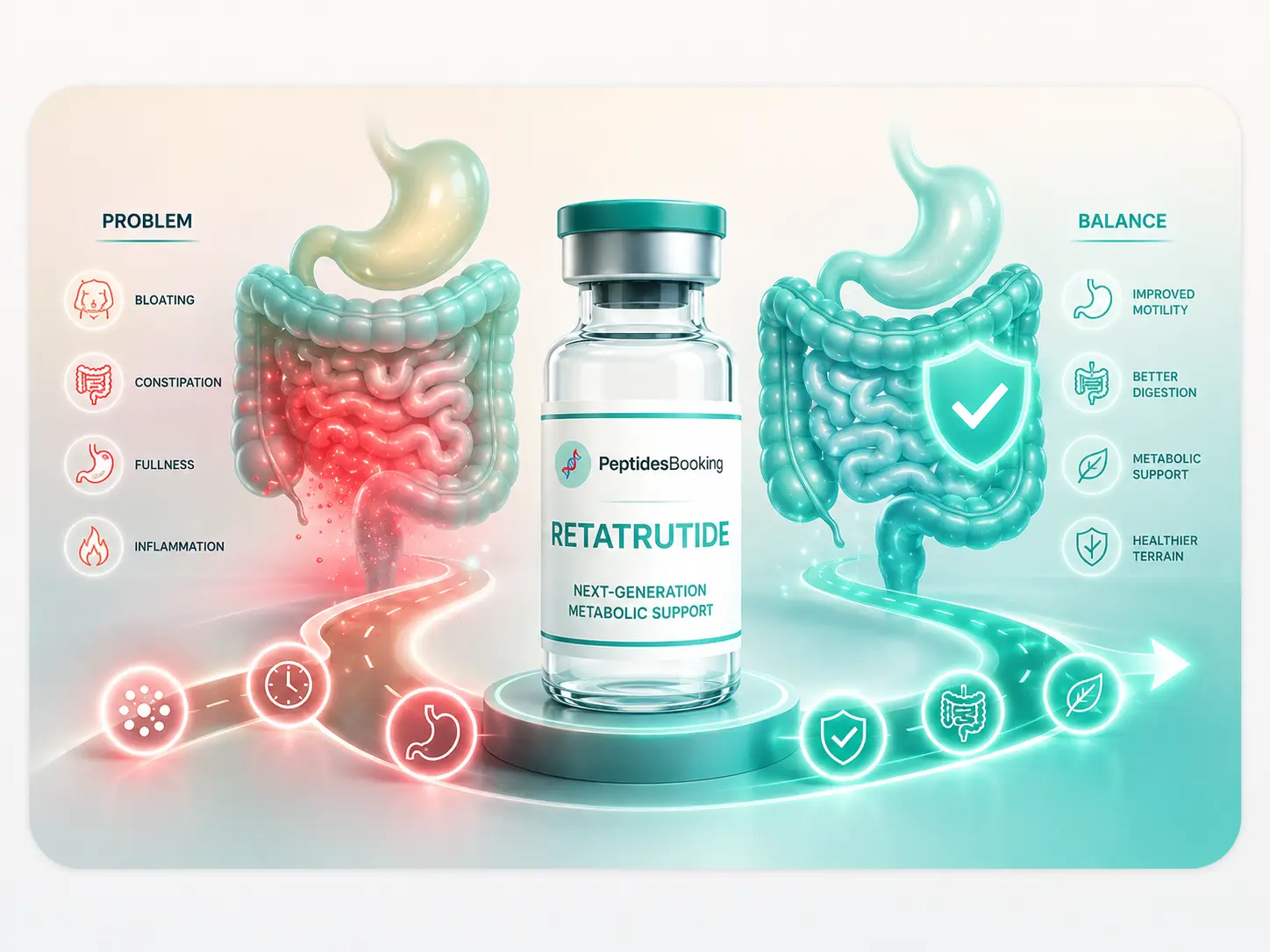
Retatrutide and Gut Health: Why Bloating Can Get Worse and What It May Actually Mean
Retatrutide can change appetite, digestion and gut motility, which means some people may notice more bloating, constipation or fullness after starting treatment. But that does not mean the drug is damaging the gut, and it does not prove that it is healing "leaky gut" either. Here is what may actually be happening.
Read article →
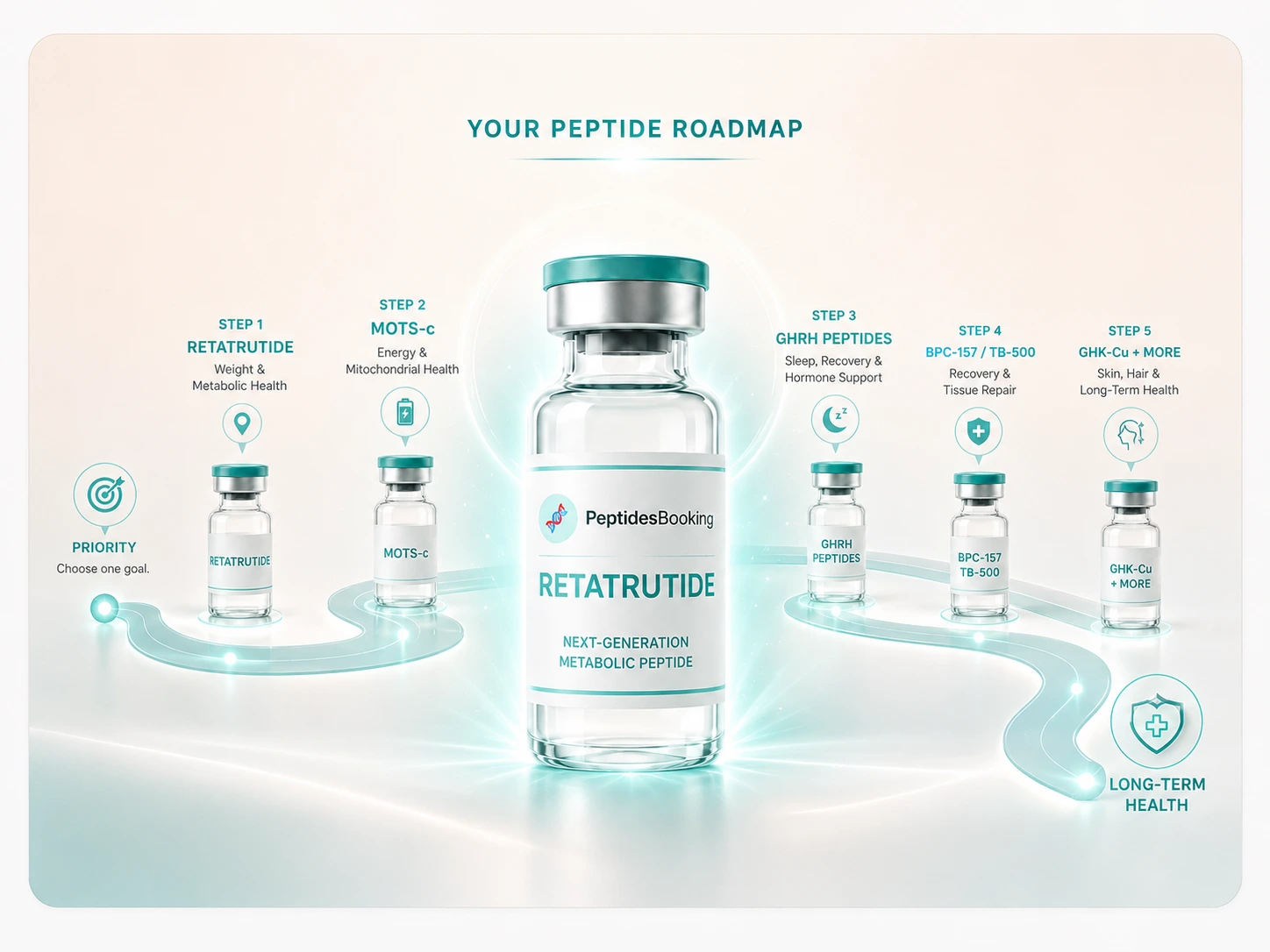
The Smart Way to Start Peptides: Build a Roadmap, Not a Stack
Most people do not struggle with peptides because they chose the wrong product. They struggle because they start too many at once, without a clear goal or a way to measure what is working. A better approach begins with one priority and builds gradually.
Read article →
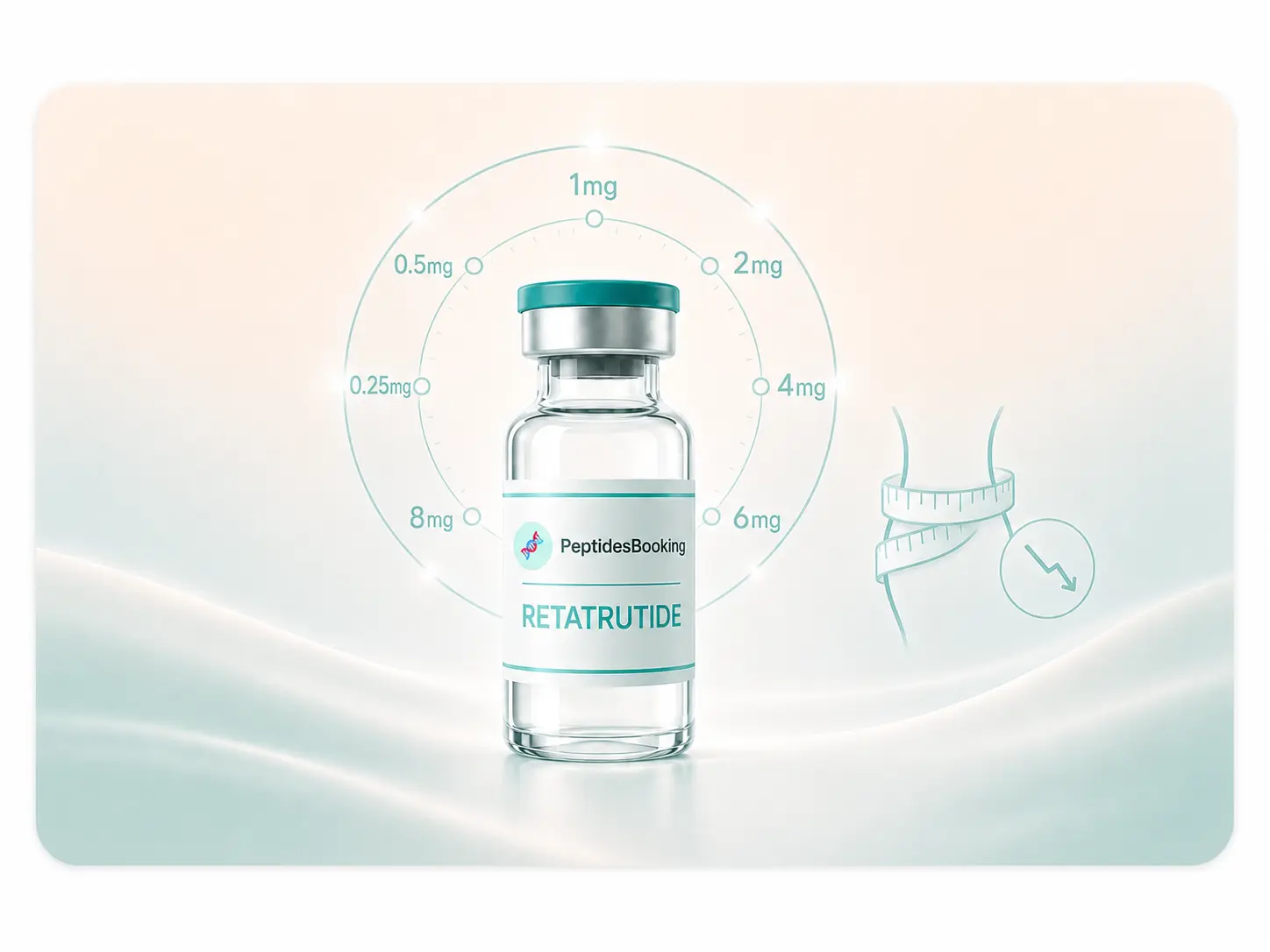
Retatrutide Dosing Explained: Why the Vial Matters More Than the Dose
Retatrutide trials used a deliberate four-week escalation from 2 mg toward target doses of 4, 9 or 12 mg. But outside clinical research, the greatest uncertainty is not which dose someone selects - it is whether the vial contains a verified dose at all.
Read article →
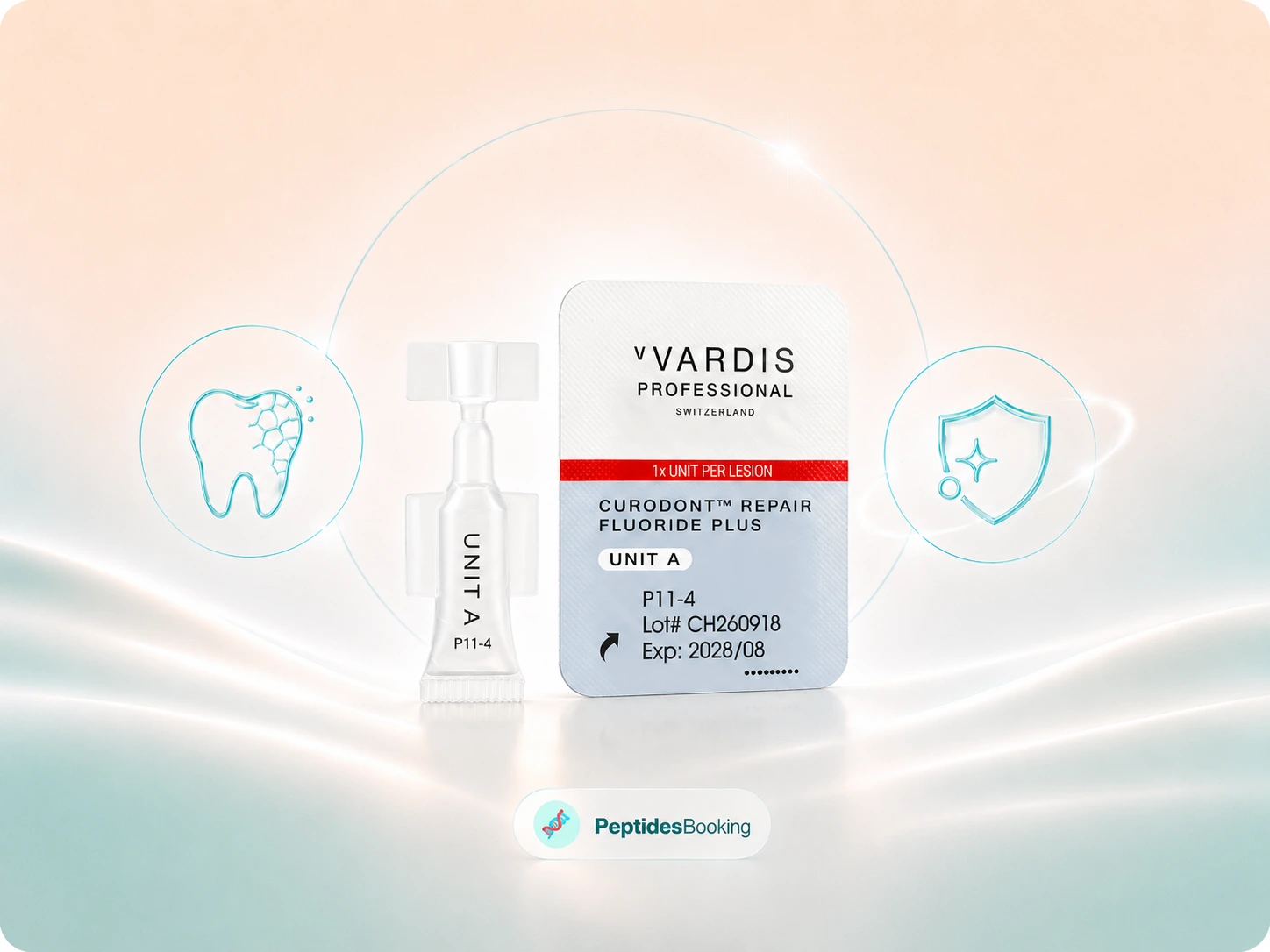
How Peptide P11-4 Rebuilds Cavities From the Inside: End to the Drill-and-Fill Era
Dentists are quietly ditching the drill for a revolutionary peptide called P11-4. Marketed as Curodont Repair, it regenerates enamel using your own saliva - no anesthesia, no filling, just natural repair of early cavities. Here’s the science that’s going viral.
Read article →

Semaglutide Changed Obesity Medicine. Here’s What It Actually Does
Semaglutide does more than slow the stomach or suppress hunger. It changes appetite signaling, reduces calorie intake, improves glucose regulation and—among certain patients—lowers cardiovascular and kidney risk. Here is what the medication actually does, what it does not do and why the specific product and dose matter.
Read article →

MOTS-c and Metabolic Health: Promising Biology, Limited Human Proof
MOTS-c is promoted for insulin sensitivity, weight loss, energy, exercise performance and longevity. Its biology is compelling, and a Phase 2a human trial is now underway—but nearly all evidence supporting administered MOTS-c still comes from cells and animals.
Read article →

Retatrutide Could Be the Next Weight-Loss Breakthrough - but It Is Still Experimental
Retatrutide produced striking weight-loss results in Phase 3 trials by targeting GLP-1, GIP and glucagon receptors. But it remains an experimental drug, cannot legally be compounded in the United States and is not the same product being sold by online peptide vendors.
Read article →
GHK-Cu Is Everywhere: What the Copper Peptide Can and Cannot Do
GHK-Cu is promoted for healthier skin, hair growth, wound repair and anti-aging. Here is what the research supports, what remains experimental and why topical and injectable use should not be treated as equivalent.
Read article →
Purity Is Not Proof: The Three Tests Every Peptide Therapy Must Pass
Semaglutide, tirzepatide, retatrutide, GHK-Cu, MOTS-c, SS-31, Semax, Selank and other peptides are often discussed as one emerging category. But a peptide can be authentic without being effective - and effective without being appropriate for a particular patient.
Read article →